
Introduction
When it comes to mold, what you can’t see can hurt you. Hidden beneath homes in dark, damp crawlspaces, mold thrives silently until it becomes a major issue. At Water Pro Inc., we recently responded to a call from a homeowner who noticed a persistent musty smell inside their home. What followed was a thorough crawlspace mold remediation project that highlights the importance of early detection and professional intervention.
Crawlspaces are particularly vulnerable to moisture buildup due to poor ventilation or minor leaks that go unnoticed. Over time, this excess moisture creates the perfect environment for mold to grow and spread. Mold not only threatens the structural integrity of a home but can also negatively impact indoor air quality and pose health risks to the occupants. That’s why our team treats every job, big or small, with the same level of attention and care.
In this post, we walk you through a recent residential crawlspace mold removal project. While this job was residential in nature, many of the tools, products, and processes we use here are the same ones we rely on for larger-scale Commercial Water Damage Restoration or even commercial carpet cleaning jobs. The standards remain high, no matter the setting.
Preparing the Site for Cleanup
When the homeowner first contacted Water Pro Inc., they described a persistent musty smell that had been lingering inside the house for several weeks. Concerned about potential health risks and structural damage, they requested a full inspection. Our team arrived promptly and conducted a thorough assessment of the property. It didn’t take long to pinpoint the issue: extensive mold growth had taken hold throughout the crawlspace. Due to the severity of the contamination and the confined nature of the area, this project required a full-scale remediation effort. Our technicians prepared for a complex cleanup operation, fully equipped to manage every step safely and efficiently.
Safe Removal of Damaged Materials
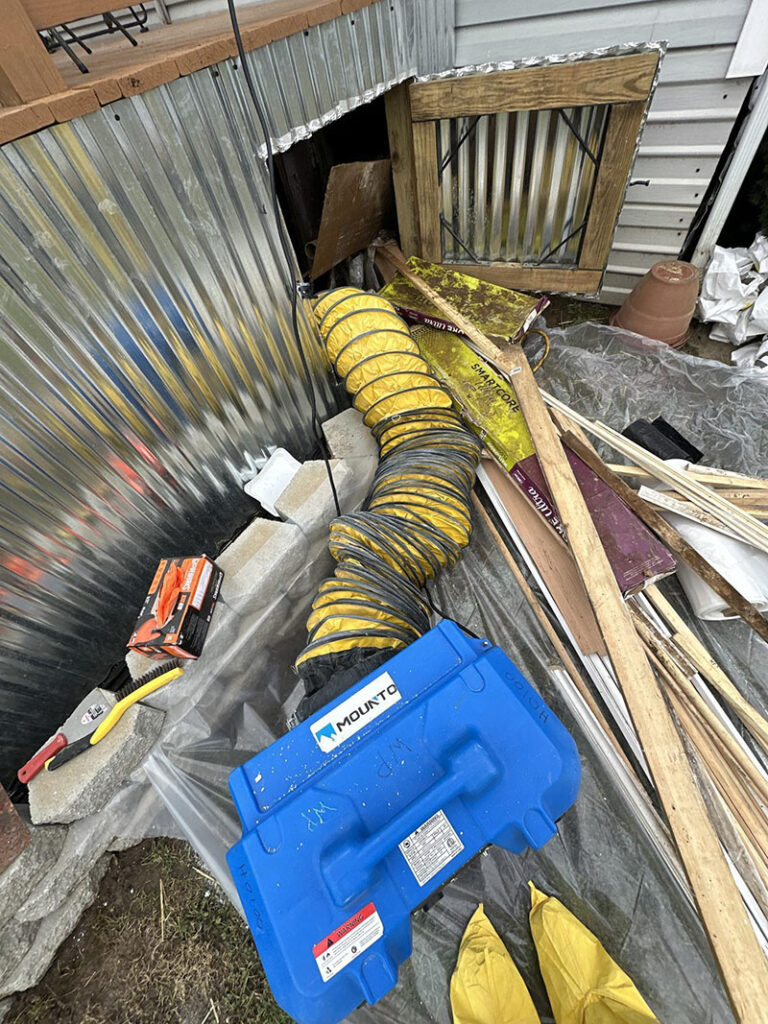
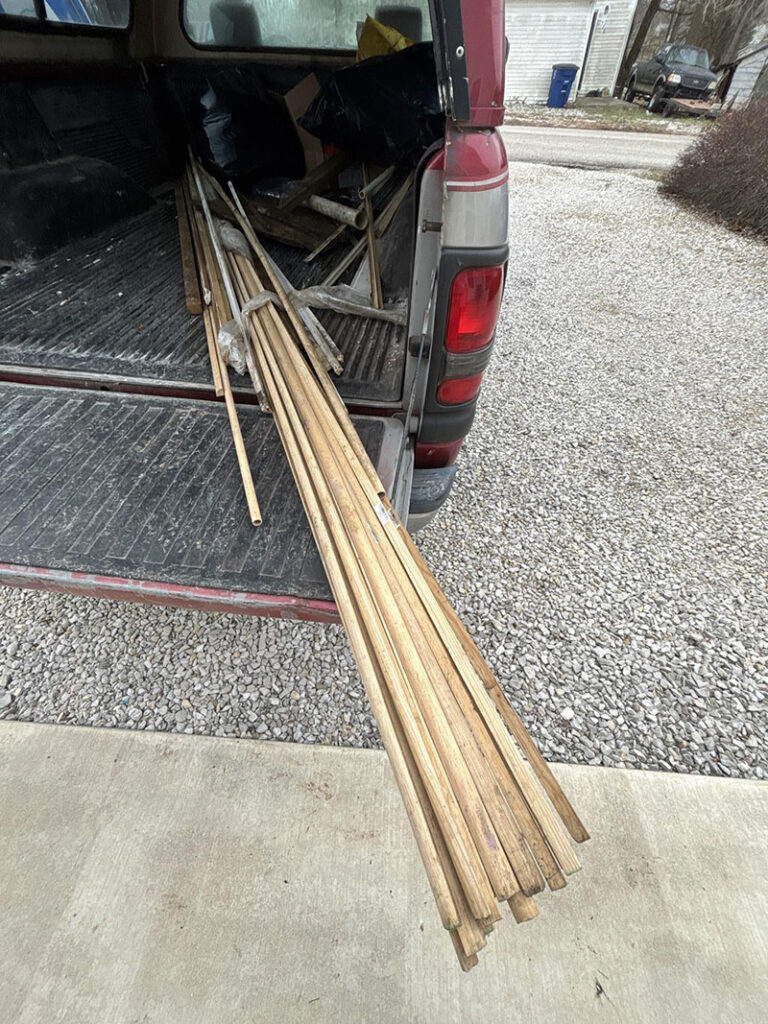
We began by carefully preparing the worksite to ensure a controlled and safe environment for remediation. All damaged materials, including saturated wood and mold-contaminated insulation, had to be removed from the crawlspace. This process required precision and care, as disturbing these materials too quickly could release harmful spores into the air. Our crew used the appropriate tools and protective gear to handle the debris without cross-contaminating unaffected areas. Every inch of the crawlspace was thoroughly inspected to determine the full extent of the damage and identify which structural components needed to be replaced or treated.
Gearing Up for Safety
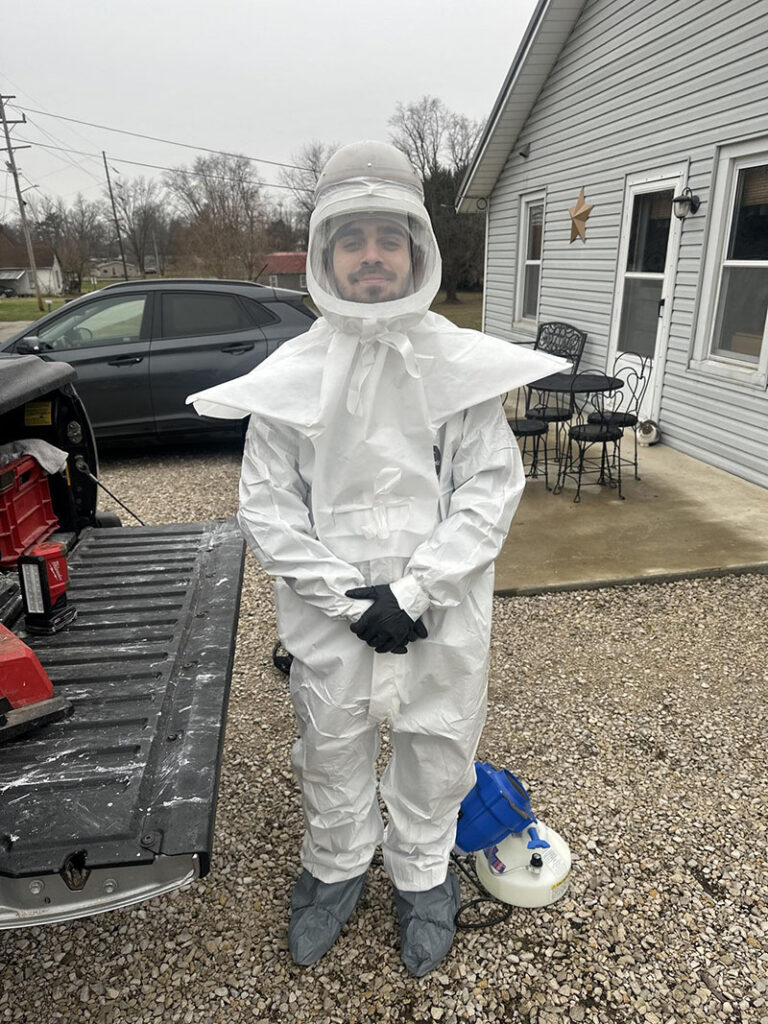
Our crew suited up in full personal protective equipment (PPE) before stepping into the crawlspace. This included respirators, protective suits, gloves, and sealed footwear covers to create a complete barrier against airborne contaminants. Mold spores can pose significant health risks, particularly in confined and poorly ventilated spaces like crawlspaces, where exposure can be prolonged. At Water Pro Inc., we prioritise safety on every job, and that means never cutting corners when it comes to protection. Each team member followed strict protocols to reduce the risk of contamination and ensure the health and safety of both the workers and the homeowner.
Teamwork in Tight Spaces
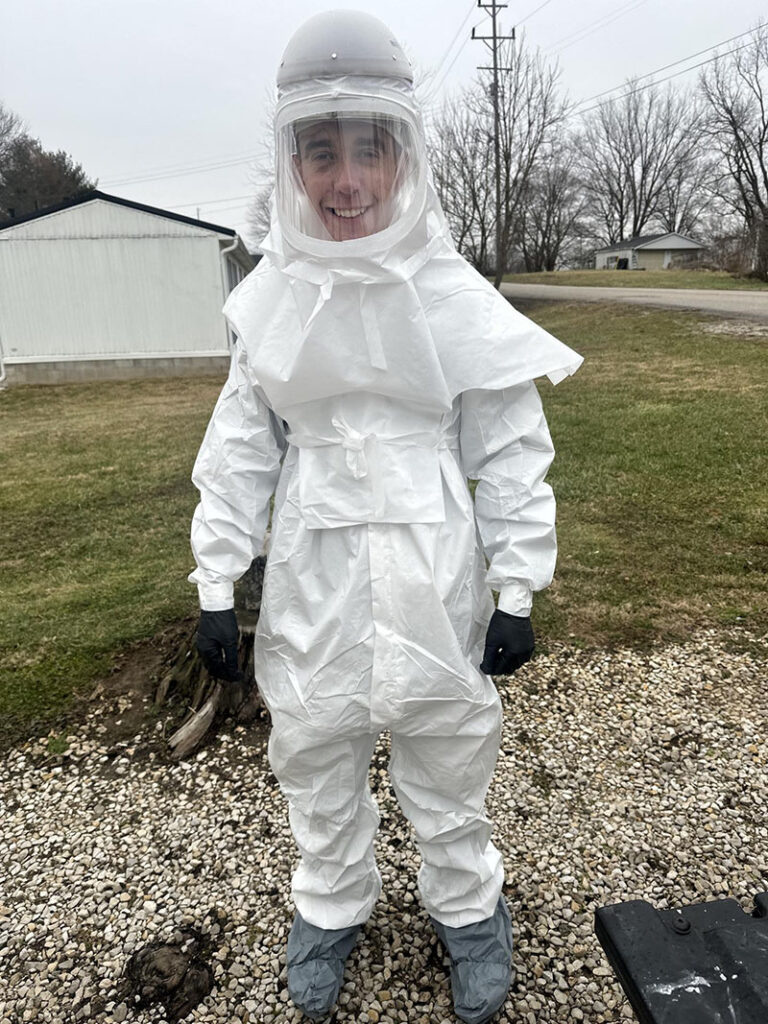
Despite the serious nature of the job, our team brought positive energy and a can-do attitude to the site each day. Mold remediation, especially in confined and difficult spaces like crawlspaces, can be physically demanding and mentally taxing. However, we believe that professionalism and morale go hand in hand. A strong team dynamic and good communication help keep the workflow efficient and focused, even during multi-day projects. Our technicians support one another, check in regularly, and maintain a respectful, solution-oriented approach from start to finish. That mindset not only boosts team performance but also reassures the homeowner that the job is in capable hands.
Visible Mold Damage Underneath
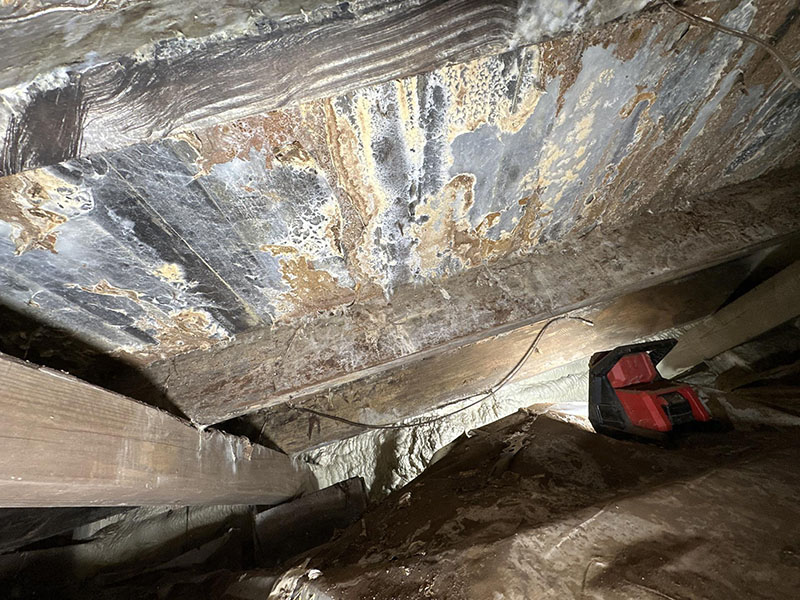
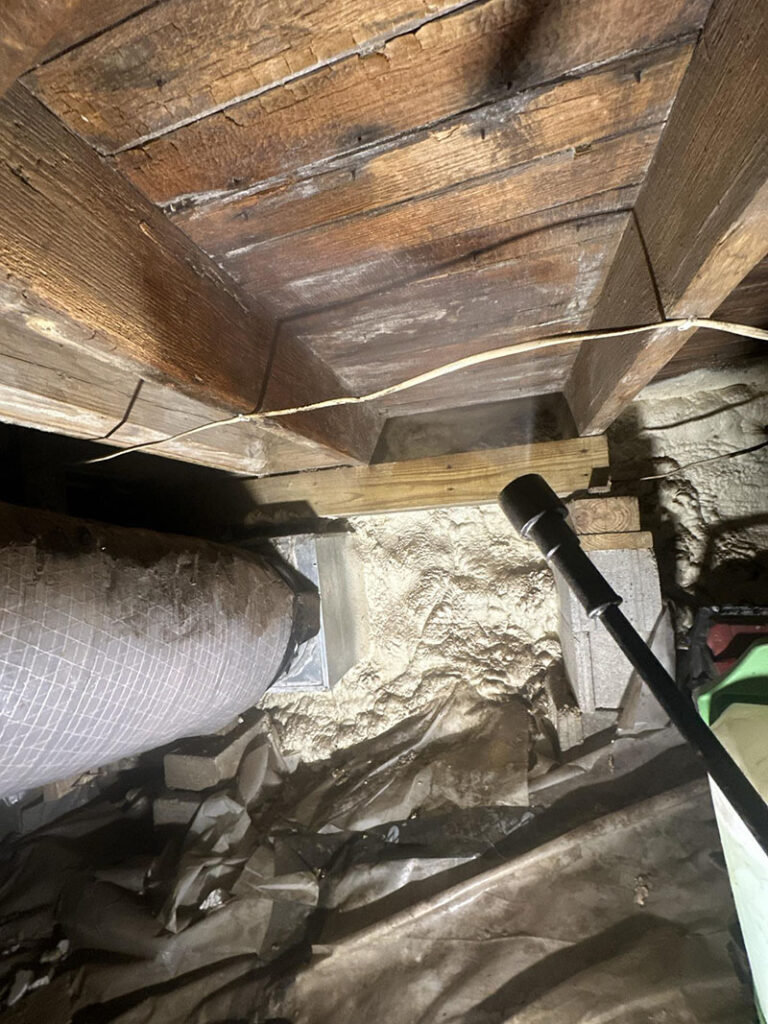
Inside the crawlspace, we found significant mold growth covering the wooden joists and subflooring. The mold had spread across large areas, thriving in the damp, stagnant air where moisture had gone unchecked for months, possibly even years. This type of contamination is a clear indicator of prolonged moisture exposure, often caused by poor ventilation, minor plumbing leaks, or groundwater seepage. Left unaddressed, mold like this can compromise structural integrity and pose serious health risks to occupants. It’s a reminder of why preventative maintenance is so important, not just in homes, but also in commercial properties where water damage can lead to similar challenges.
Assessing the Extent of Contamination
Our technicians documented the extent of the damage before beginning removal. The layers of mold shown here built up over time and required both mechanical cleaning and chemical treatment to eliminate.
Manual Mold Removal Begins
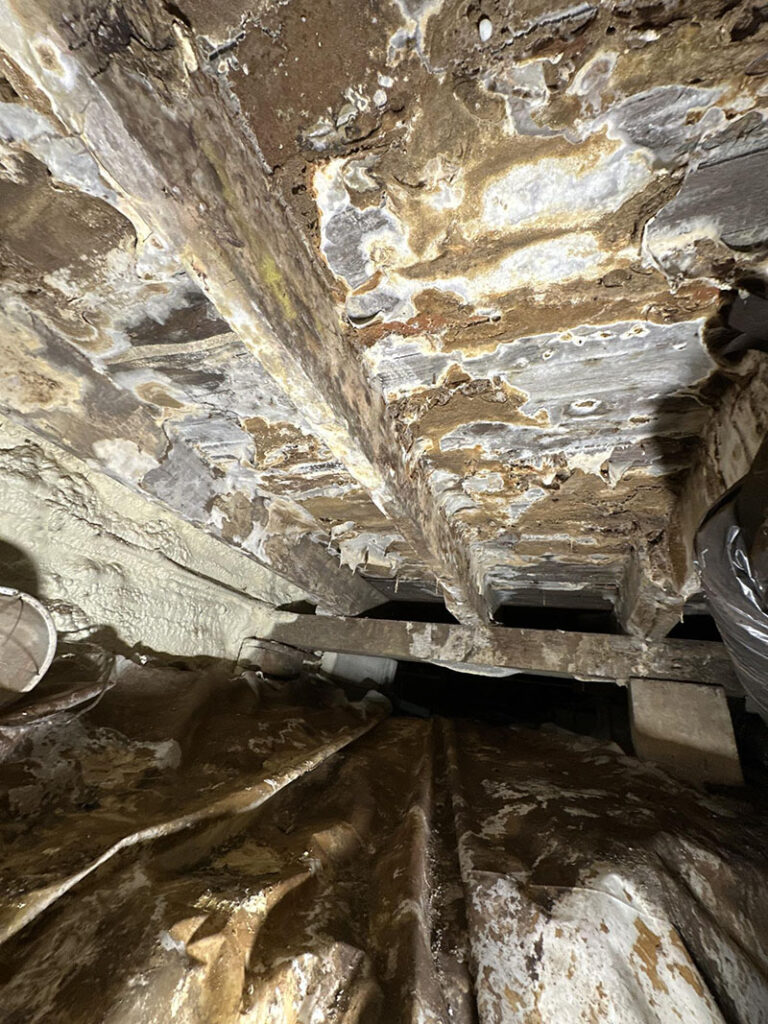
With air scrubbers running continuously to filter out airborne spores and maintain safe air quality, our team began the detailed process of physically removing mold from contaminated surfaces. Using wire brushes, scrapers, and HEPA-filtered vacuums, we manually scrubbed every affected beam, joist, and subfloor section. This step is labor-intensive but absolutely essential for thorough mold remediation. Simply spraying chemicals isn’t enough, mold must be physically removed at the root to prevent regrowth. Each surface was addressed methodically, with team members working in tandem to ensure no area was missed. This hands-on approach is one we apply across all remediation jobs, including large-scale commercial water damage restoration projects.
Moisture: The Root of the Problem
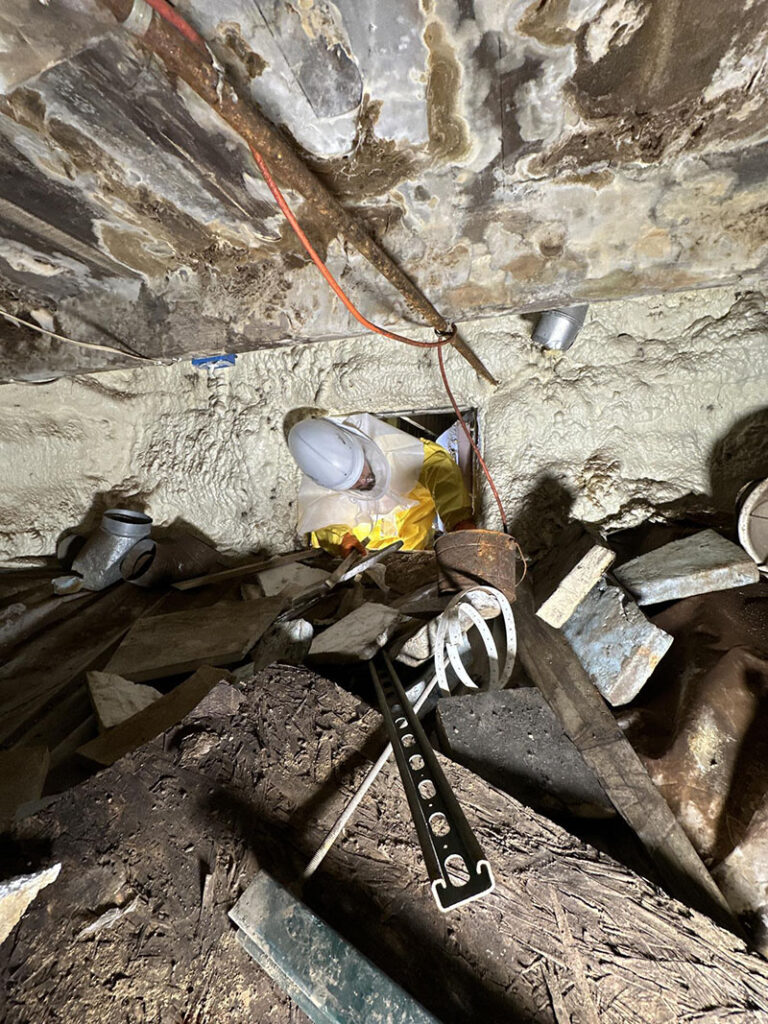
Water buildup in crawlspaces is a common trigger for mold, especially when ventilation is limited and moisture is allowed to linger. While this particular job wasn’t caused by flooding, the underlying issue (persistent dampness) mirrors many of the scenarios we encounter in other settings. In fact, a large number of commercial water damage restoration calls we receive involve similar conditions in basements, utility rooms, and storage areas of commercial properties. Moisture might enter slowly through cracks or plumbing leaks, but if left unchecked, the result is often the same: mold growth and structural risk.
Final Treatment and Disinfection
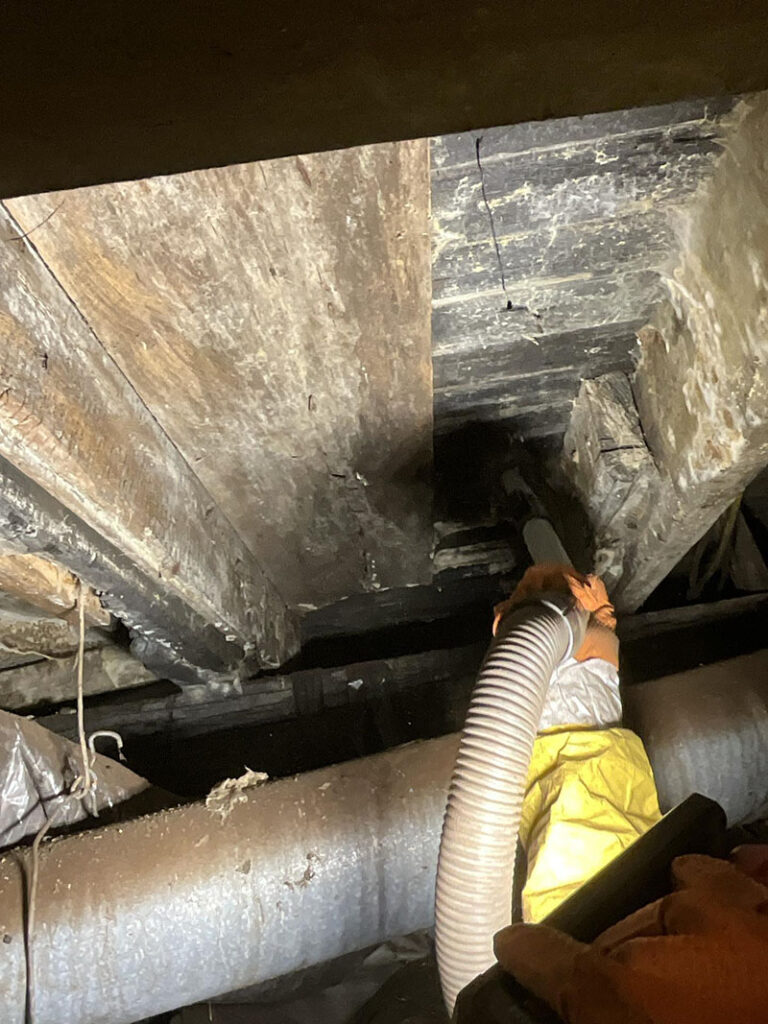
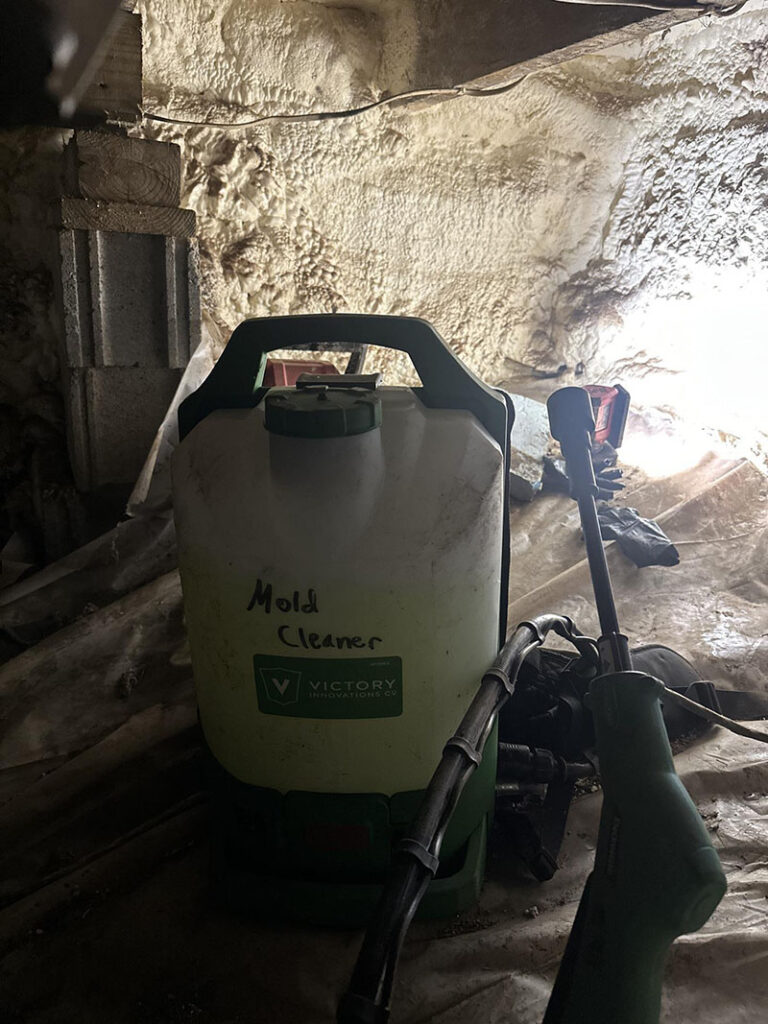
We applied an industrial-grade mold cleaner to all affected surfaces. The goal is not only to clean but also to prevent regrowth. The equipment used here is the same standard we bring to large-scale jobs, including commercial carpet cleaning assignments.
A Clean, Dry Finish
Once cleaned, the crawlspace was left dry, safe, and fully restored. All contaminated materials were carefully removed from the site and disposed of according to safety guidelines. Every surface that had shown signs of mold was treated with an antimicrobial solution, then sealed to prevent future growth. The wood structure was stabilized, air quality was restored, and the moisture source had been addressed. By the end of the project, the crawlspace was no longer a hidden hazard but a dry, healthy part of the home. It was another successful project carried out with care, precision, and the level of professionalism we bring to every job.
Conclusion
Mold in crawlspaces can compromise both air quality and structural integrity if left untreated. At Water Pro Inc., we deliver expert mold remediation services that restore safety and peace of mind for homeowners. Our attention to detail and use of professional-grade equipment are the same whether we’re working under a home or responding to large-scale commercial water damage restoration projects. In addition to mold removal, we also provide commercial carpet cleaning services that keep business environments clean, healthy, and professional. No matter the size or type of property, our team is ready to help you protect your space from hidden threats. We’re proud to serve homeowners and businesses across Southern Indiana with trusted restoration services that make a difference; above and below the surface.