Mold Inspection and Remediation in Bloomington, IN
Identify, Contain, Protect
Mold Inspection and Containment
We inspect accessible areas for visible conditions and moisture indicators, establish work-area controls when needed, and explain the proposed scope. When sampling or independent verification is needed, Water Pro coordinates with an independent assessor.
Moisture Assessment: Thermal imaging can identify temperature anomalies for further investigation, and moisture meters can help verify and document material conditions. These tools do not identify mold type or replace independent sampling. Indianapolis service: For an active water loss in the Indianapolis area, see our Indianapolis water damage restoration service.
Containment Barriers: Isolating affected areas to prevent cross-contamination.
Professional Expertise: Certified specialists trained to assess and contain mold effectively.
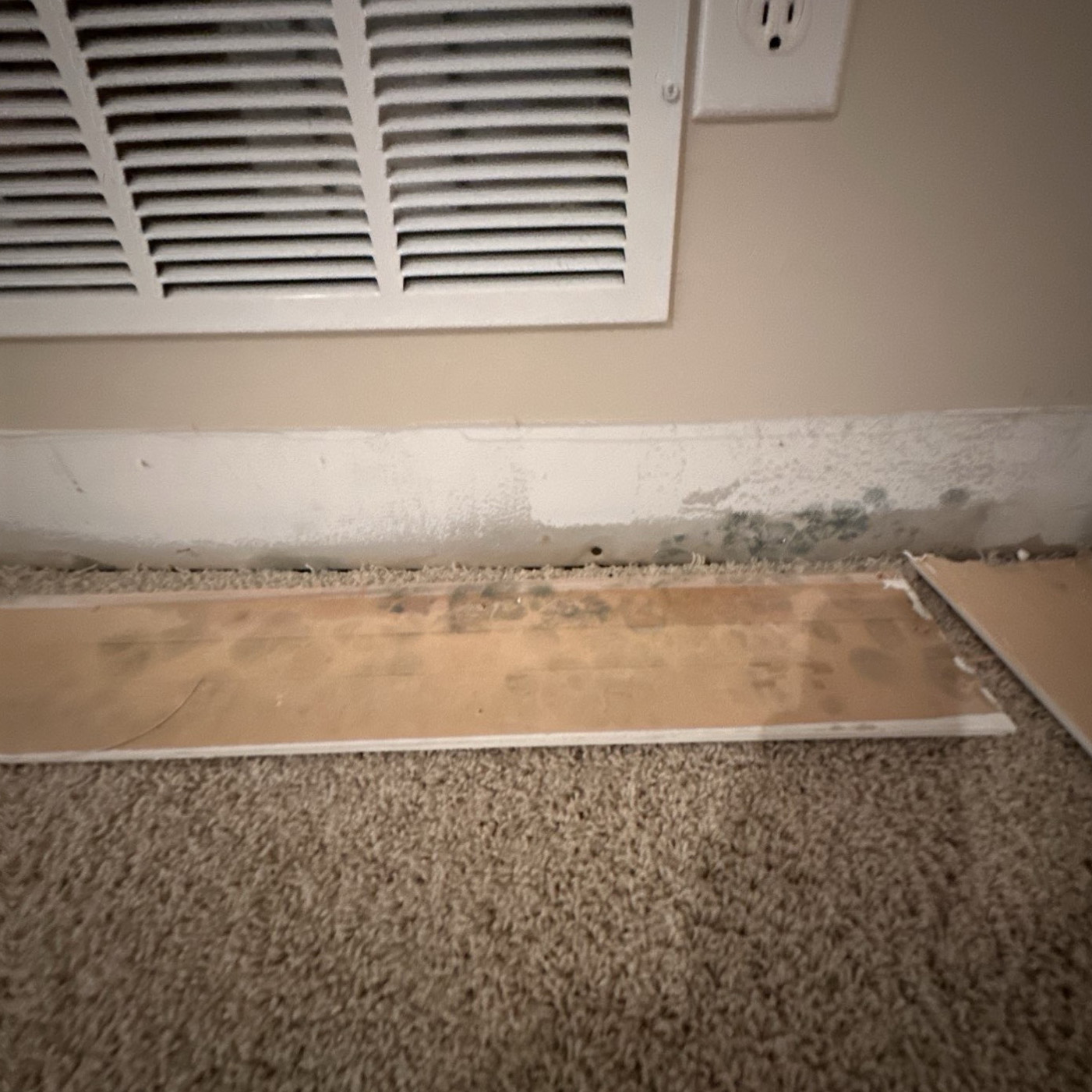
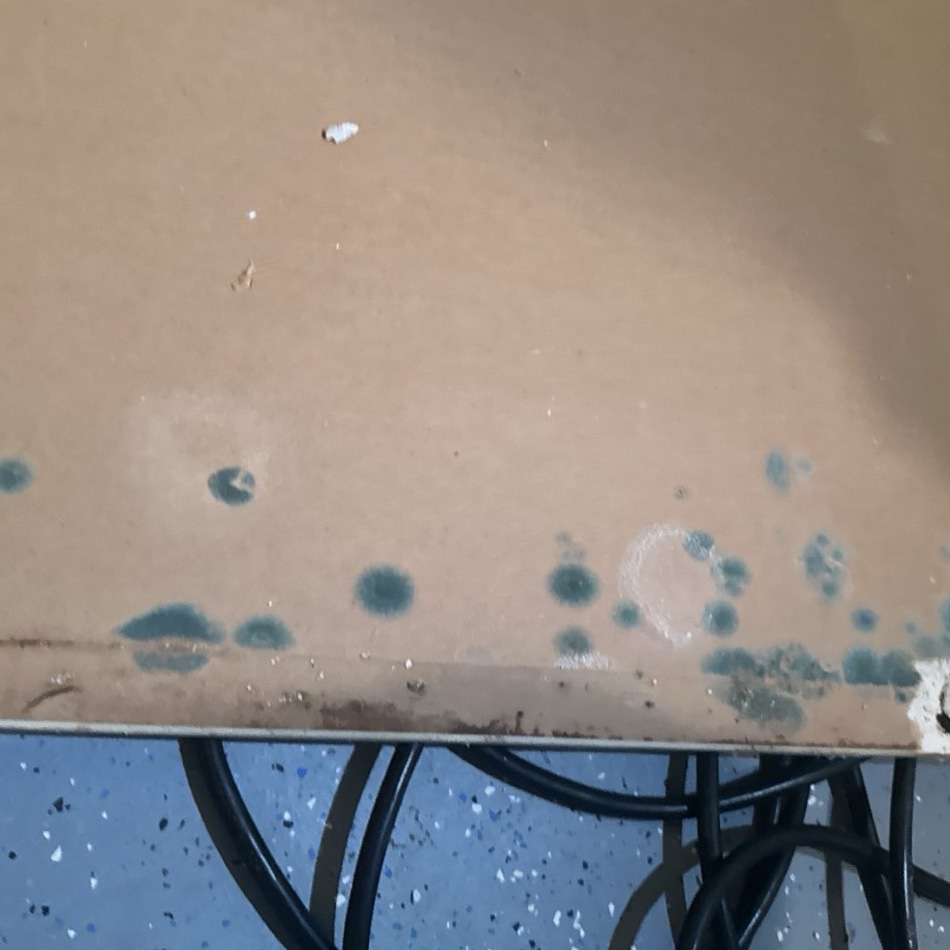
We assess accessible areas for visible growth, moisture indicators, and conditions that may support growth. We explain what was observed, what remains inaccessible or uncertain, and when an independent assessor should perform sampling.
Mold Remediation and Moisture Control
Mold Remediation Within a Documented Scope
Within the agreed scope, we remove unsalvageable affected materials, physically clean salvageable surfaces, and address documented moisture conditions. No remediation process can guarantee zero spores or prevent future growth if moisture returns.
Specialized Equipment: Using project-appropriate tools, HEPA-filtered equipment, and EPA-registered products according to their labels when those products are appropriate.
Guidelines and Standards: Following project-appropriate remediation practices and documenting the affected materials, work-area controls, cleaning, and moisture conditions.
Moisture-Control Planning: Addressing documented moisture conditions and explaining steps that can reduce the opportunity for recurrence.
Our IICRC-certified team uses containment, material removal, physical cleaning, HEPA-filtered equipment, and moisture control as appropriate to the project. When an EPA-registered antimicrobial product is appropriate, it is used according to its label. Mold color alone does not determine health risk, and Water Pro does not promise a medical outcome.
Dry, Restore, Renew
Drying and Restoration Services
We address documented moisture conditions within our scope and explain which repairs are needed after remediation.
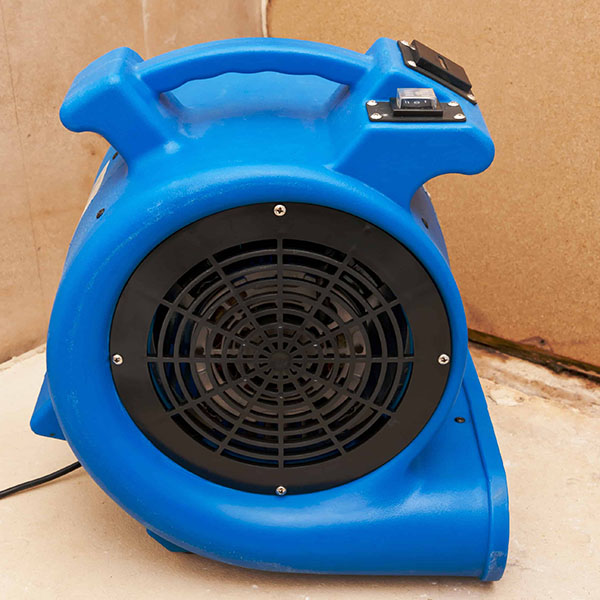
Drying and Dehumidification: Drying equipment and moisture monitoring support the documented drying plan.
Reconstruction Services: Repairing materials included in the agreed scope after the relevant remediation and drying conditions are documented.
Coordinated Restoration: Explaining the repair scope and, when appropriate, evaluating source-control, cleaning, or hydroxyl odor-treatment options for remaining odors.
Water Pro documents the accessible areas remediated, moisture work performed, and repairs included in the agreement. Structural, occupancy, and health determinations require the appropriate evidence and professionals when those questions are part of the project.
Protect Your Property with Expert Guidance
Reduce the Risk of Future Mold Growth
After remediation, continued moisture control and maintenance can reduce the opportunity for mold growth. Water Pro explains observed moisture conditions, recommended repairs, and optional follow-up services without promising that growth cannot return.
Moisture Control Recommendations: We identify and advise on leaks, ventilation, and humidity control.
Independent Post-Remediation Verification Available: When testing or verification is appropriate, Water Pro coordinates with an independent assessor. The assessor evaluates the completed work against agreed criteria and the conditions present at the time; no test can guarantee that a property will remain mold-free.
Ongoing Support: We’re here if questions or concerns arise after the job is done.
Mold growth can return when moisture and material conditions support it. Water Pro explains the completed scope, remaining limitations, and practical moisture-control steps for the customer to monitor.
Mold Inspection & Remediation FAQs
How do professionals detect mold in a property?
Thermal imaging can identify temperature anomalies that warrant further investigation, and moisture meters can help verify and document material moisture. These tools do not identify mold. Visible assessment, access, project history, and independent sampling when needed provide the broader picture.
What does the mold remediation process involve?
The process may include assessment, work-area containment, removal of unsalvageable affected materials, physical cleaning of salvageable surfaces, HEPA filtration, drying, and repairs within the agreed scope. Products are selected for the application and used according to their labels; remediation does not sterilize the building or guarantee no future growth.
How can I prevent mold from returning after remediation?
To reduce the opportunity for mold growth, correct known water entry, control indoor humidity, maintain appropriate ventilation, and monitor previously affected areas. Surface treatments are not a substitute for moisture correction and do not guarantee that growth will not recur.
Can mold affect carpets in commercial spaces like offices or schools?
Carpet and padding can support mold growth after water damage or prolonged high humidity. Because they are porous, whether they can be cleaned or should be removed depends on the extent of growth, contamination, material condition, and project criteria. Water Pro explains the available options and limitations before work proceeds.
Mold Inspection & Remediation in Action
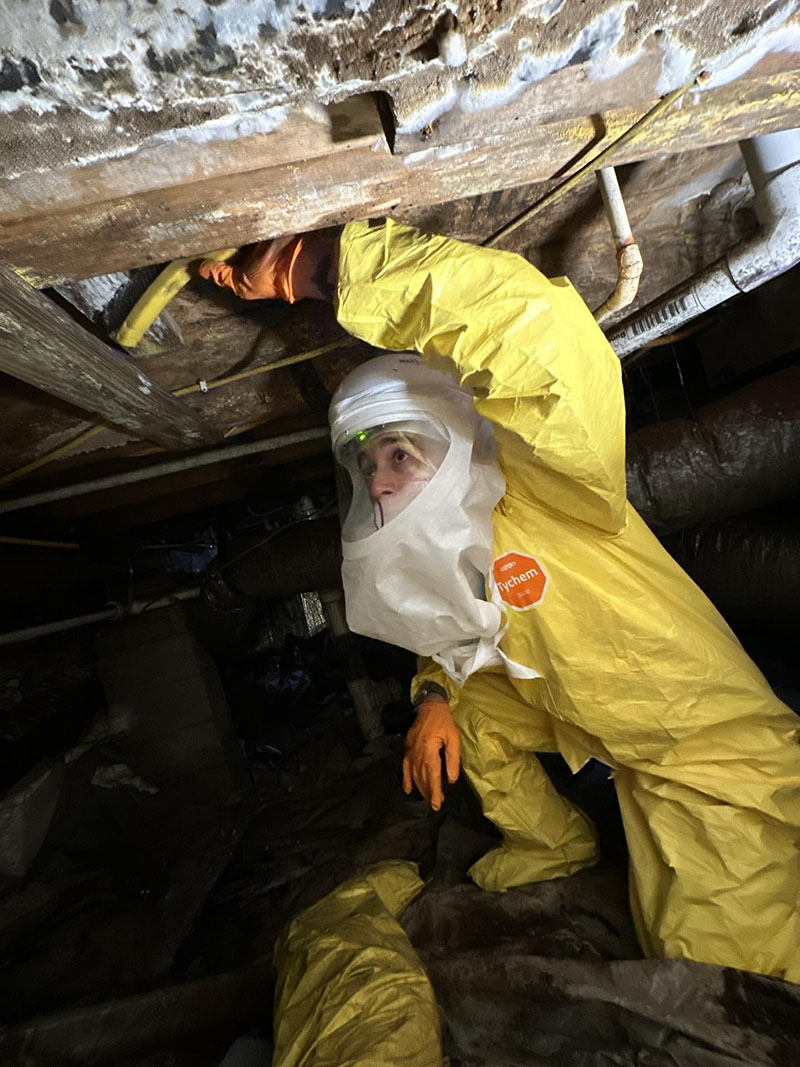
Water Pro technicians performing mold-remediation work in an accessible crawlspace area under the documented project scope.
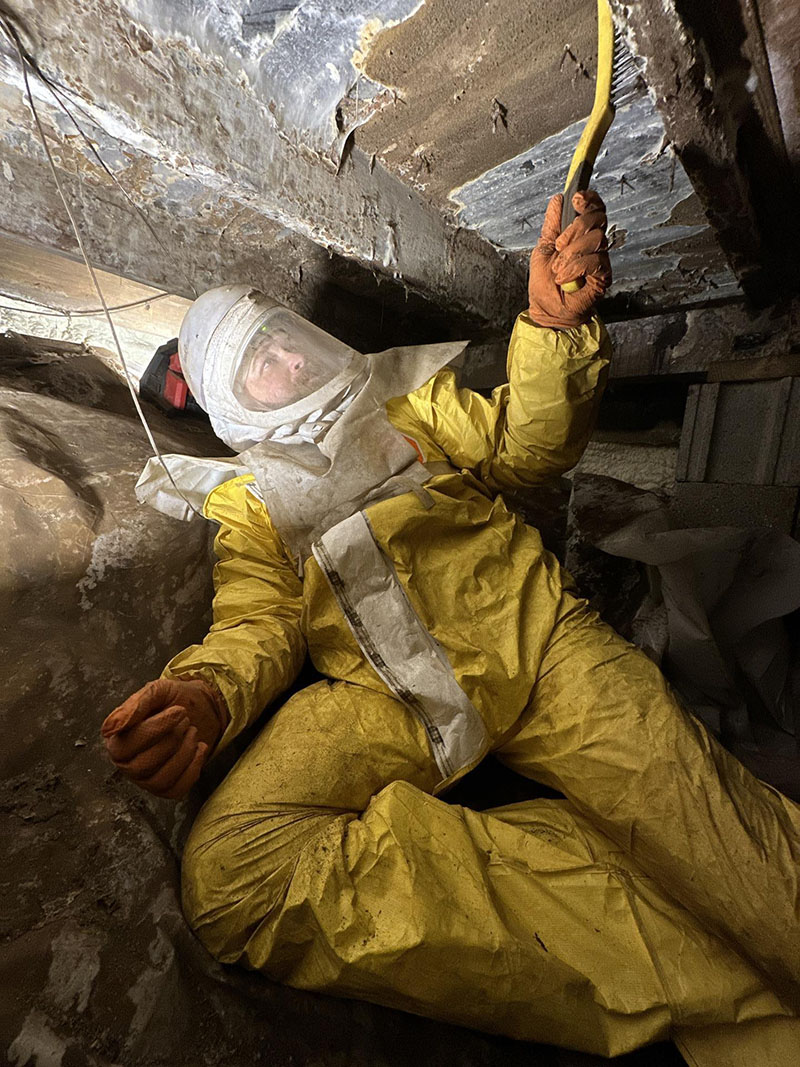
Water Pro technicians using project-appropriate work-area controls while cleaning accessible affected materials in a confined space.
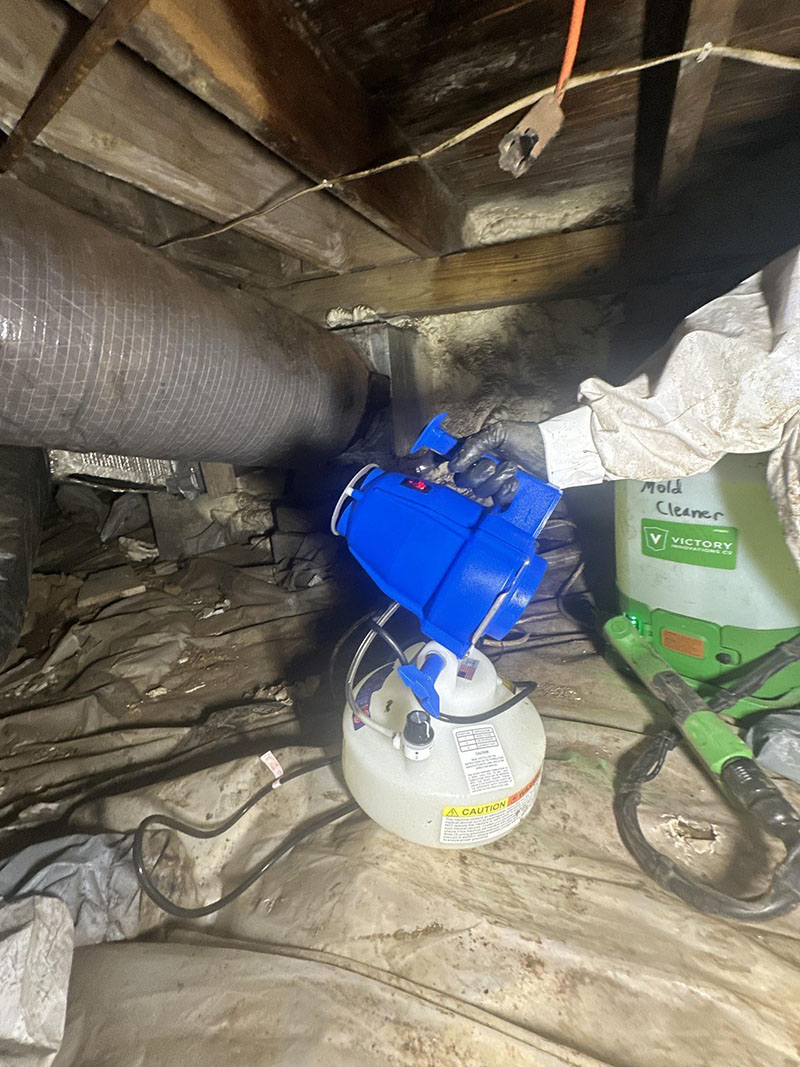
Water Pro applying a project-appropriate product to accessible crawlspace materials according to the product label and documented scope.
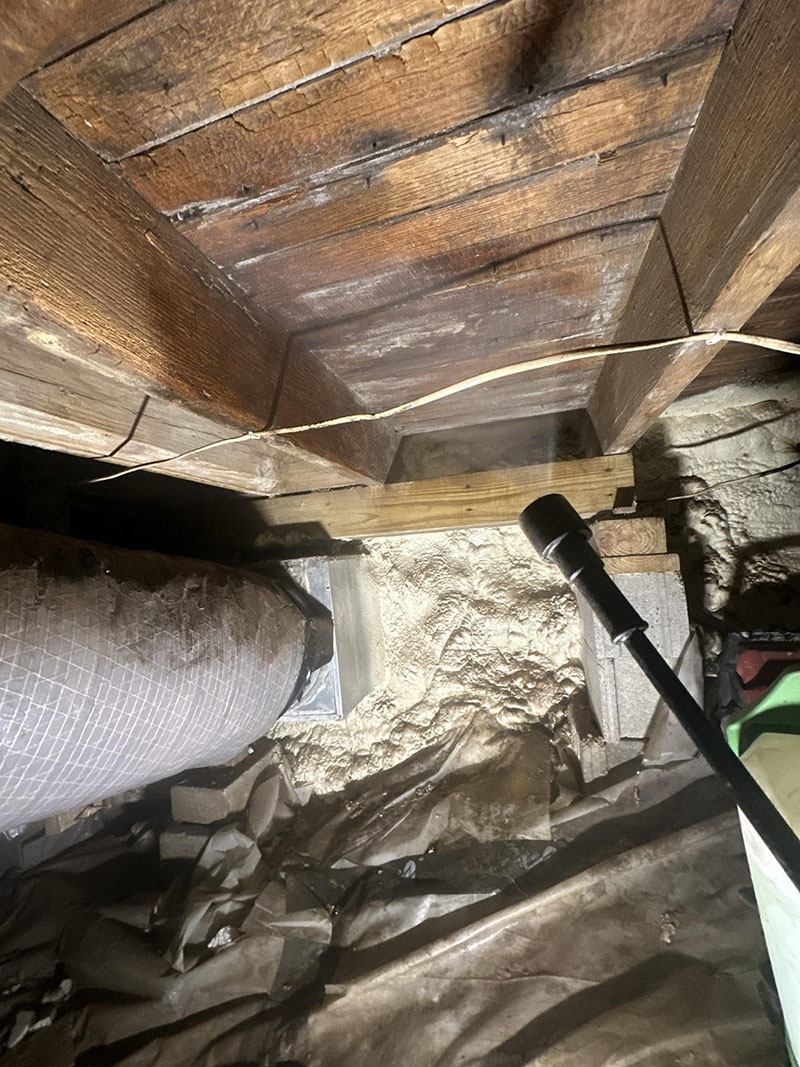
Post-remediation review of accessible crawlspace materials; the project record identifies completed work, observed conditions, and remaining limitations.